Loading...
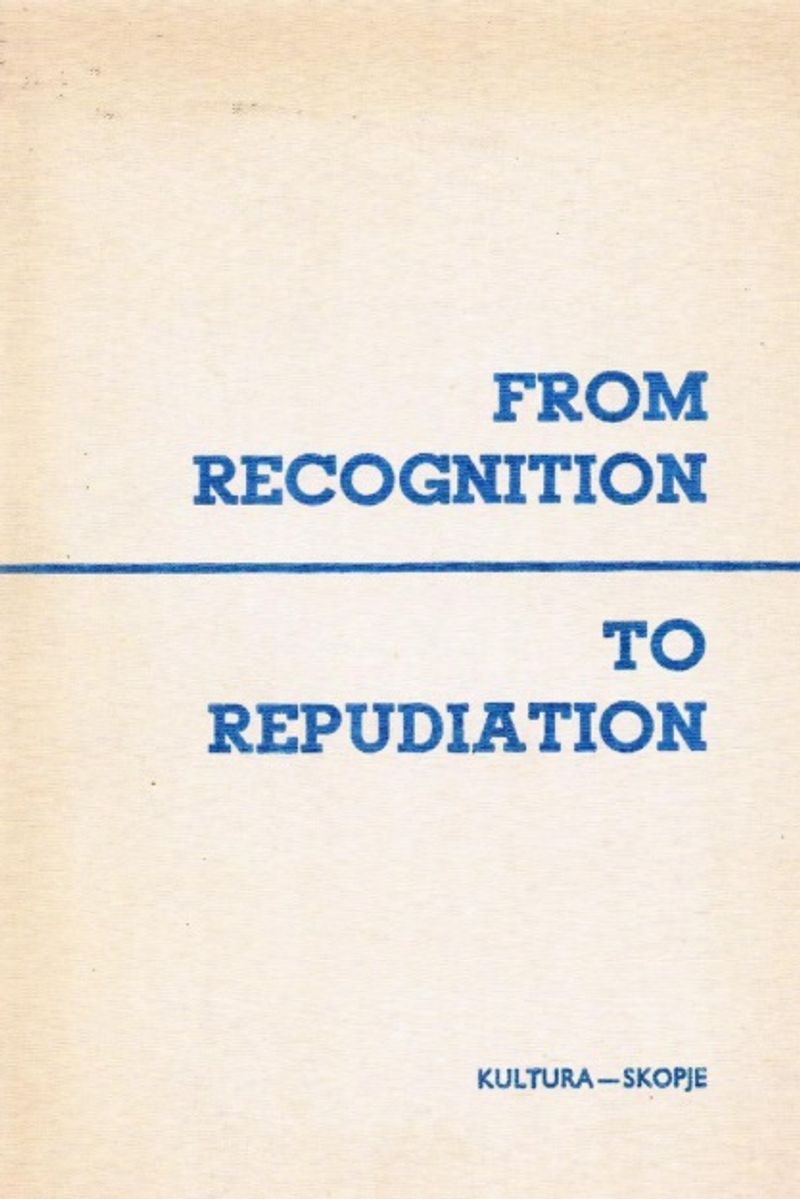
1972
Англиски
Од признавање до негирање

Пристап до книгата
Опис
From Recognition to Repudiation examines the evolution of the recognition of Macedonian identity and nationhood, focusing on the period when Macedonian distinctiveness was initially acknowledged by political and cultural institutions, followed by phases of denial and repudiation. It analyzes how Macedonian identity, language, and history were first recognized in various contexts, such as during the early 20th century and post-World War II under Yugoslav federalism, and later subjected to skepticism, revision, or outright rejection by neighboring states and some international actors.
The work delves into the political, ideological, and diplomatic factors that influenced these changing attitudes. It highlights how external pressures, nationalist agendas, and regional conflicts led to attempts to delegitimize Macedonian claims to a distinct identity, often framing it as a derivative or artificial construct. The book also explores the impact of these shifts on Macedonian society, culture, and collective memory, documenting the struggles over language standardization, historical narratives, and international recognition.
By drawing on archival materials, official documents, and cultural discourse, From Recognition to Repudiation presents a narrative about the contested process of nation-building in Macedonia. It underscores the complex and often contradictory forces shaping Macedonian identity politics and stresses the ongoing challenge of asserting Macedonian uniqueness in a region marked by overlapping claims and historical grievances.
За институцијата
Institution