Loading...
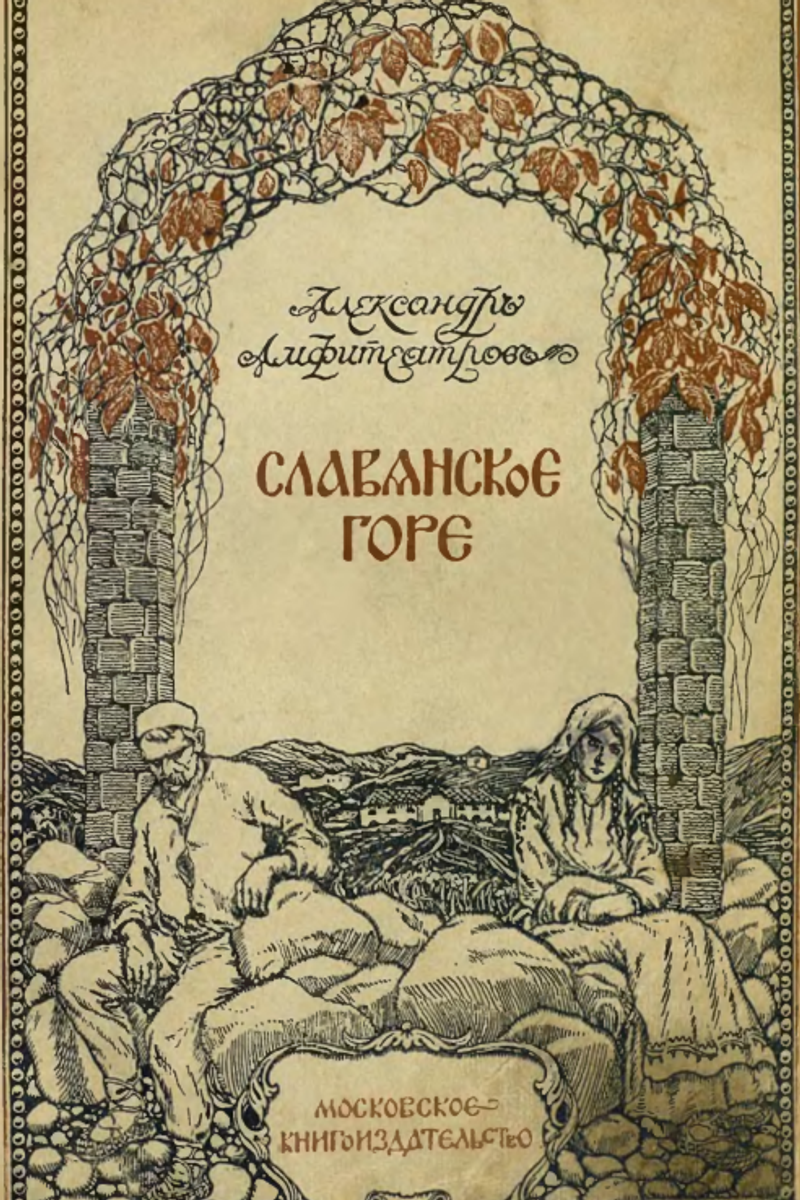
1912
Руски
Словенска тага
Пристап до книгата
Опис
The book is a collection of essays from a research trip undertaken by the author through the Balkans in 1909.
The main focus is on the pre-war sentiments and expectations in Serbia, Montenegro, Macedonia, Italy, Austria, and Russia. The economic and social structure of Serbia, Montenegro, and Macedonia at the beginning of the 20th century is described through the eyes of an eyewitness and researcher. He is also talking about the presence of the Bulgarian propaganda in Macedonia.
In the last, fifth chapter - "Macedonia and the Young Turks" (Македонія и младотурки), the author describes how a distinct Macedonian identity was perceived in the early 20th century, contrasting it with Bulgarian efforts to assimilate the population. The author suggests that before the rise of national awareness, the region's Christian population was seen as a single group by the Turks. However, as Balkan national movements grew, Bulgarians, in particular, saw the Macedonian Slavs as part of their own nation.
Bulgarization of the Macedonians - Bulgarian agents, including priests, teachers, and komitadji (guerrilla fighters), worked to achieve this goal. The author notes that this propaganda was initially successful, as the Macedonians were seen as a "primal Slavic people" with a simple root language, highly susceptible to influence from a more developed Slavic culture.
The author expresses the view that Macedonians were neither Serbs nor Bulgarians, but a distinct Slavic people. He notes that they could just as easily adopt another identity, such as "Macedo-Bulgarians," if a Bulgarian school and church were established in their village, or "Serbs" where a Serbian school was present. The central conflict, according to the text, was the struggle between various groups, with Bulgarian influence being a significant factor.
The book provides a colorful snapshot of the public sentiments, economic and political relations, and geopolitical alignments that had formed around the Balkan countries at that time.
За авторот
Author
Александар Амфитеатров(1862 - 1938)